
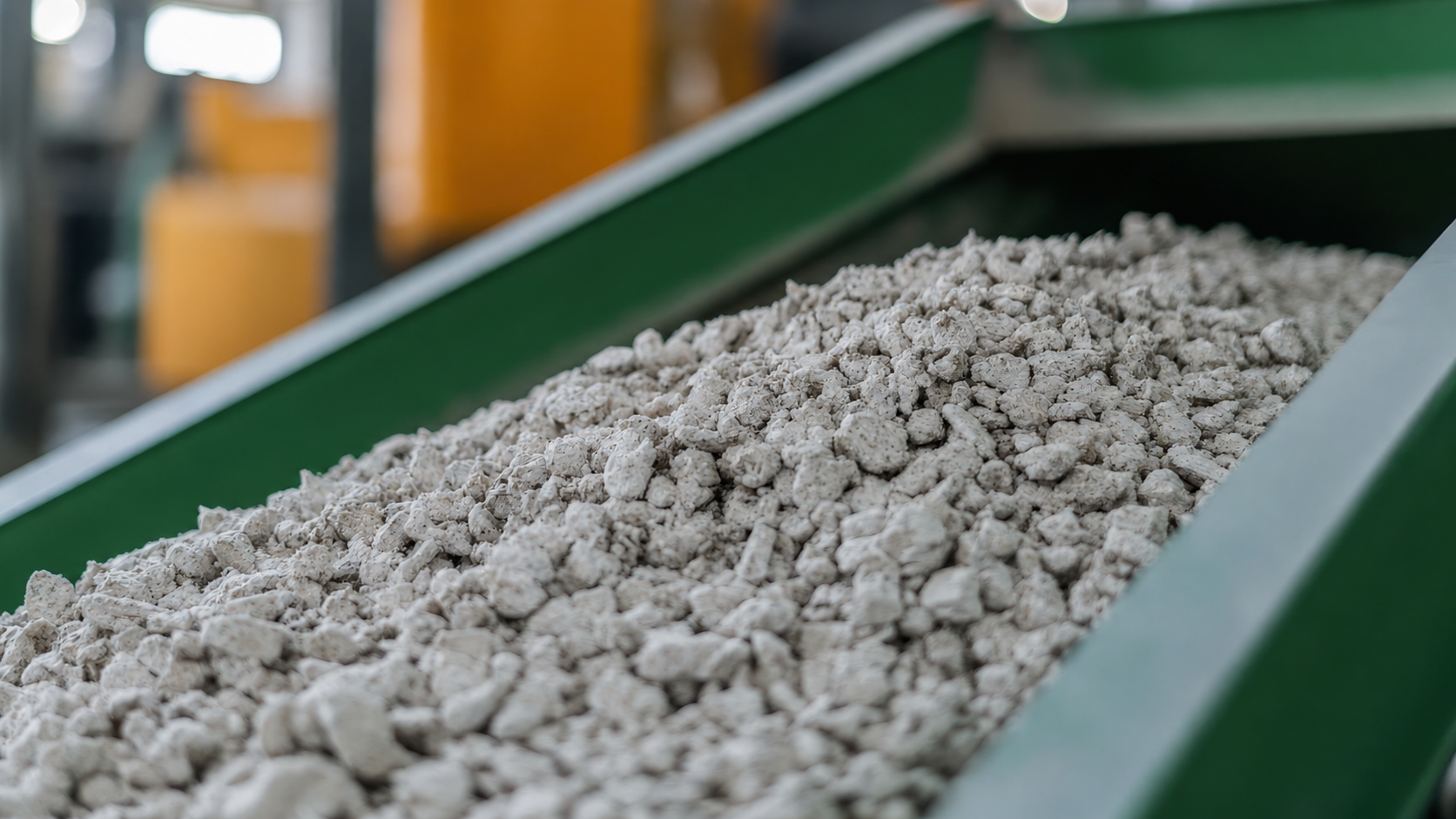
Byproducts are not inherently bad.
Liver, heart and kidney are biologically appropriate foods for carnivores. In isolation, these tissues are nutrient-dense and valuable.
But like so much of pet food, the issue is complicated. It's not about whether organs are healthy for cats and dogs – most agree those parts are healthy in moderation. It’s how much of those organs is actually in what is labeled as organ byproduct.
Bone is a permitted component of both meat byproducts and poultry byproducts. There's no percentage cap or limit. Bone can make up a substantial portion of byproducts, alongside organs, blood and other tissues.
But let's just focus on bone, as it can be a substantial amount of the byproduct. Bone inclusion drives ash content, and high ash displaces digestible protein and increases mineral load. Minerals in excess damage animal kidneys, espeically older cats and dogs.
So every percentage point of bone replaces usable amino acids with calcium and phosphorus.
Bone is inexpensive. It's no wonder they use it. I've been in pet food facililties where I've seen animal carcasses that appear to be 99% bone.
Really, though, this is about labeling concern. On one side of the aisle, you have a dog food with a poultry byproduct on the ingredient list that is half bone material. And on the other side of the aisle, a dog food that contains poultry byproduct that is mostly organ meat. How in the world would a consumer be able to tell which food was better for their dog?
Consumers cannot see the proportion of bone versus organ tissue in byproduct ingredients. They can only infer it indirectly from ash and mineral levels on the finished product.
Bones can be healthy, but after a certain inclusion marker, they are hard to digest and present health concerns.
That is the structural problem.
I chose bone because it's an easy target. But even ingredients labeled “chicken liver” can contain associated connective tissue, residual blood and processing fragments inherent to slaughter streams. There is no disclosure requirement for precise tissue breakdown.
Byproducts can be nutritious, and they can also be formulated primarily for cost efficiency. Today's pet food label does not distinguish between the two.
A series on protein in pet food