
There is a fifth dimension, beyond that which is known to man.
It is a dimension as vast as space and as timeless as infinity – the middle ground between light and shadow, between science and superstition.
Welcome to the feline palate.
You studied their diets, you read about their preferences, you understand their nutritional requirements. Yet your cat walks away from one just-opened can of food after another. Or they stop eating the expensive fresh meat meal subscription, just after you’ve bought a freezer-full.
What our cats want to eat can seem unknowable. Or at least unpredictable. It’s exasperating, and it’s real.
Cats are picky eaters. So when we approached the twilight zone of cat food acceptance, we got deep into the mystery, the science, the witchcraft of cat palatability.
First, the numbers. Cats have approximately 470 taste buds. Dogs have around 1,700 and humans have as many as 10,000. So with fewer taste receptors, there’s less room for error. There's also only two areas of their tongue that sense the flavours – the rest of the tongue are tiny, sharp spikes (called papillae) that cats purportedly use to scrape animal flesh off the carcass.
The flesh off the carcass is foundational here, as feline taste receptors are orientated toward fresh animal tissue. And researchers have identified the main appetitive taste of domesticated cats to be umami. So this is the starting point.
We humans will use the word “umami” to describe a variety of savoury foods, sometimes synonymous with Japanese foods like miso or bonito flakes, sometimes the general mouth-watering flavours of broths and cooked meats. But also: tomatoes, seasonings like dashi, Parmesan cheese and the famous Shang Tang soup broth (上汤).
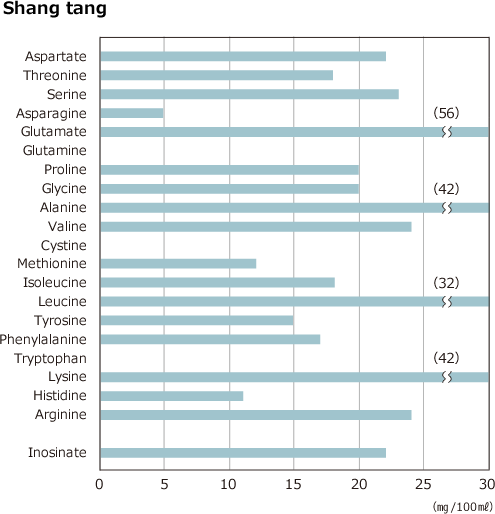
Though it’s hard to describe in words or with food examples, food science has it defined very simply: the foundational amino acide glutamate, which is multiplied by nucleotides.
For cats, umami is likely unrecognizable to humans, possibly even unpalatable for us. It’s more “fresh kill” than Shang Tang broth.
So cat foods need to land in a very strong palatability zone for cats to eat it reliably. Cats have umami-specific triggers, and their taste receptors are tuned to detect glutamate, which signals fresh animal tissue.
Here’s how our Cultivated Game Bird formula does that: cultivated meat is our primary driver of feline umami. The free amino acid profile in the meat is what provides the all-important umami – principally from glutamate. This is the strong signal to the cat receptors that engages its carnivorous desires. Fresh cultivated meat, like fresh conventional meat, is moisture-rich. Within that moisture is soluble proteins and small peptides – which contribute to the animal tissue resemblance. The aroma, which you can smell when you open a bag, is that feline-friendly fresh animal tissue, the volatile signature of the cultivated meat, kept intact by gentle freeze-drying instead of high heat extrusion. The mouthfeel of animal tissue – which we assume, because only a cat would know – comes from this flavour system as well.
Then comes the synergy with nucleotides. These are compounds that multiply the umami taste when combined with glutamate. Our fermented nutritional yeast inclusion provides the magic flavor boost. It has two specific nucleotides that do this work, 5′-GMP (guanosine monophosphate) and 5′-IMP (inosine monophosphate). These are naturally present in our blend, and enhance the flavor architecture of fresh animal tissue.
This is the signal to cats that there’s animal protein and a nice mix of amino acids for them in the food. This all comes back to the unique biology of cats. Felines are missing a specific taste receptor, called TAS1R2, which detects sweet. Dogs have it, humans have it, but cats don't – which is why sugar has no place in cat food, even though it's in many commercial diets. Taking out the sweet homes in the very specialized taste for umami.
Our flavour system is this signal. We appeal to feline taste receptors by maintaining a rich amino acid profile in our meat and pairing it with naturally occurring nucleotides. This is the key into the realm of cat taste. Once unlocked, you can then start building the actual nutrition profile that cat biology uses – which is a whole other dimension to explore.